
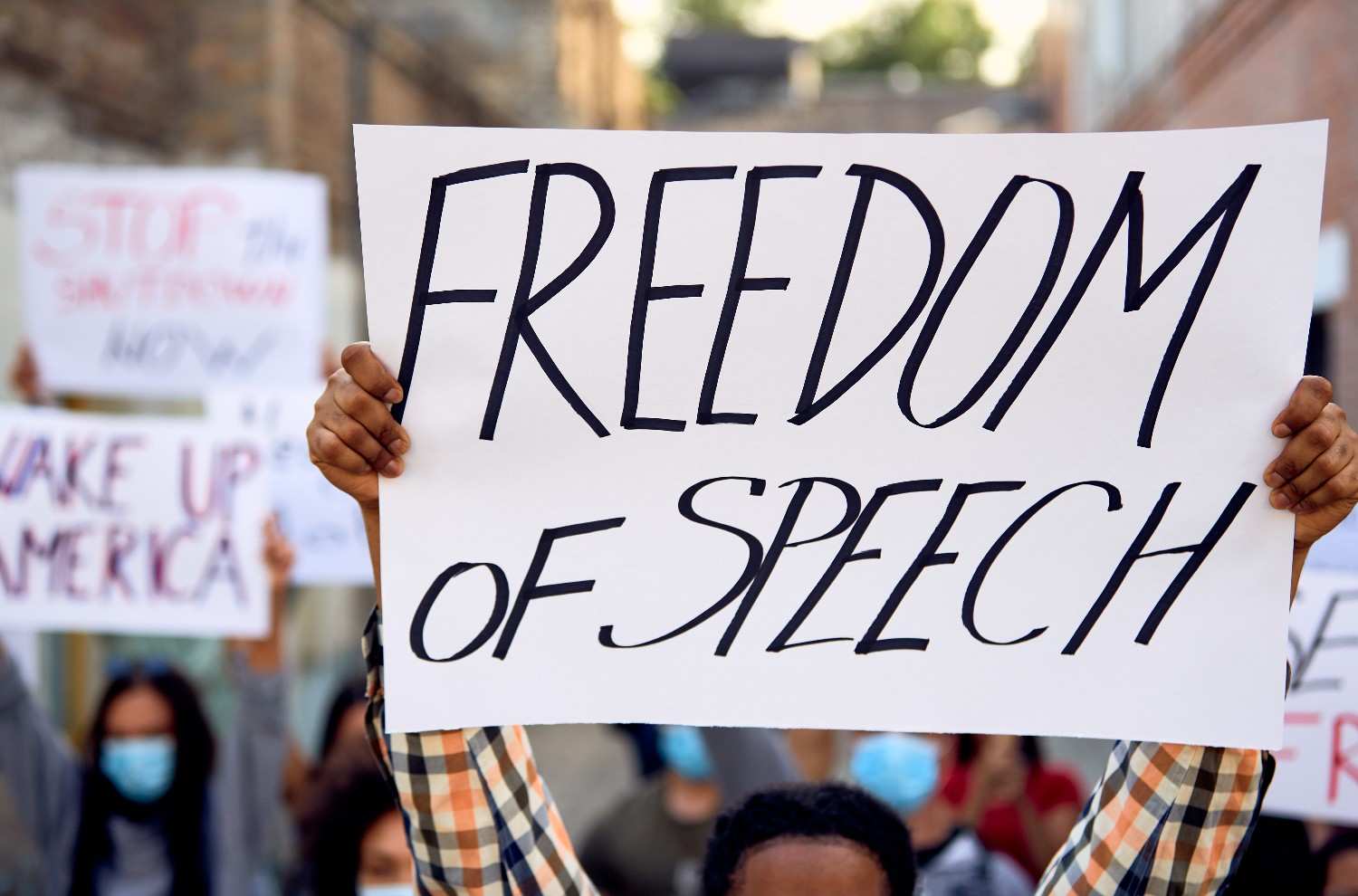
The promise of the internet was a global town square, a place where freedom of speech could flourish like never before. Today, that promise is under intense pressure. The digital age has transformed how we communicate, but it has also introduced complex new challenges to this fundamental right. This article explores the tightrope walk of upholding freedom of speech online while addressing the very real harms that can spread in its name.
Table of Contents
The Digital Paradox: Amplification and Silencing
The internet gave everyone a megaphone. This is the core of digital-age freedom of speech: the ability for marginalized voices, citizen journalists, and ordinary people to share ideas globally. Yet, this same amplification empowers hate speech, misinformation, and harassment at an unprecedented scale. The paradox is clear—the tools that liberate can also oppress.
Also Read:
| Select Global Leaders Meet to Discuss Climate Action in 2025 | Global Leaders Meet to Discuss Climate Action in 2025 |
|---|
Platforms like social media companies have become the de facto arbiters of this right, a role they never asked for and are poorly equipped to handle. This leads us to the first major challenge.
Key Challenges to Freedom of Speech Online
1. Content Moderation: Who Gets to Decide?
The biggest challenge is content moderation. When a post is removed or an account is banned, is that a responsible act of protecting users or an unethical suppression of freedom of speech? Platforms operate under their own terms of service, not constitutional law, creating a patchwork of rules that lack transparency and consistency. The line between curbing abuse and censoring dissent is notoriously blurry.
2. The Algorithmic Echo Chamber
Algorithms designed to maximize engagement often promote divisive and extreme content. This doesn’t just spread misinformation; it fragments public discourse. Freedom of speech is undermined not by outright censorship, but by systems that ensure we only hear voices that reinforce our existing biases, stifling genuine debate.
3. Government Overreach and Censorship
Some governments use the pretext of fighting misinformation or maintaining order to enact sweeping digital censorship laws. This represents a direct, state-sponsored threat to freedom of speech, using technology to silence critics and control narratives under the guise of regulation.
4. Online Harassment and the “Chilling Effect”
When speaking out leads to doxxing, coordinated harassment, or threats of violence, a “chilling effect” occurs. People, especially from vulnerable groups, self-censor to protect their safety. This silent silencing is a pernicious attack on true freedom of speech, where fear dictates what is said.
Deep-Dive into Modern Challenges
1. The Moderation Quagmire: Private Platforms as Public Squares
Social media platforms—our modern public squares—are private companies. Their content moderation decisions have profound implications for freedom of speech. The challenges are immense:
- Scale & Consistency: Billions of posts require automated systems (AI) to flag content. These systems often lack nuance, struggling with context, satire, and cultural differences, leading to arbitrary enforcement.
- The Transparency Deficit: Users are frequently left in the dark about why content was removed or accounts suspended, with opaque appeal processes. This lack of due process erodes trust.
- Algorithmic Bias: Moderation tools and newsfeed algorithms can inherit human biases, potentially silencing minority viewpoints or disproportionately flagging certain types of speech.
2. The Algorithmic Amplification of Extremes
Algorithms are not neutral. Designed for engagement, they often promote content that triggers strong emotions—outrage, fear, or divisiveness. This doesn’t directly censor freedom of speech, but it systematically distorts it. Constructive dialogue is drowned out by sensationalism, creating echo chambers that fragment society and undermine the shared reality necessary for healthy debate.
3. Government Responses: From Protection to Punishment
Governments worldwide are grappling with online speech, with responses varying dangerously:
- Overreach & Censorship: Laws framed as combating “fake news” or “cyber libel” can be wielded as tools for political repression, criminalizing dissent and journalism.
- The “Big Tech” Reckoning: In democracies, proposed regulations (like the EU’s Digital Services Act) seek to hold platforms accountable for harmful content. The critical question remains: how to do this without incentivizing platforms to over-censor to avoid liability, thus chilling legitimate speech?
Also Read: How New Government Policies Could Shape Your Daily Life
4. The “Chilling Effect” of Online Harassment
Freedom of speech is meaningless if people are too afraid to speak. Targeted harassment campaigns, doxxing (publishing private information), and violent threats—particularly against women, journalists, and activists—create a powerful chilling effect. This form of bottom-up suppression forces self-censorship and drives valuable voices offline, degrading the quality of public discourse for everyone.
5. The Global Patchwork Problem
The internet is global, but laws and cultural norms around freedom of speech are local. A statement legal in one country may be blasphemous or hateful in another. Platforms are caught in an impossible bind, forced to navigate this patchwork, often defaulting to the most restrictive standards, which limits expression for all users.
Building a Framework for Resilient Digital Speech
There is no perfect solution, but a multi-stakeholder approach focused on resilience and responsibility offers a path forward:
- For Platforms: Towards Ethical by Design
- Invest in more nuanced, human-in-the-loop moderation, especially for high-impact decisions.
- Publish detailed transparency reports and create independent oversight boards for content appeals.
- Rethink core algorithms to prioritize the health of conversation over pure engagement metrics.
- For Citizens: Cultivating Digital Citizenship
- The ultimate check on bad speech is more good speech. Promoting robust digital literacy—teaching critical evaluation of sources, understanding of algorithms, and empathetic communication—is foundational.
- Support and protect vulnerable voices through digital solidarity.
- For Policymakers: Precision and Principle
- Craft legislation that targets specific, measurable harms (e.g., non-consensual intimate imagery, incitement to imminent violence) rather than vague categories of “bad” speech.
- Uphold intermediary liability protections (like Section 230 in the U.S.) that allow platforms to moderate without being treated as publishers for every user post. Reform should be careful not to destroy this core enabler of freedom of speech online.
- Internationally, democratic nations must coherently advocate for digital rights as human rights.
Charting a Path Forward: Balancing Rights and Responsibilities
There are no easy solutions, but a multi-pronged approach is essential:
- Promoting Digital Literacy: The best defense against misinformation is an educated public. Teaching critical thinking online is as crucial as defending the right to speak.
- Demanding Platform Transparency: Users deserve to know how and why content decisions are made. Clear, consistent, and appealable moderation policies are a must.
- Supporting Ethical Design: We must advocate for platform algorithms that prioritize healthy discourse over addictive engagement.
- Legal Clarity: Updated laws are needed that protect individuals from true harm (like defamation and incitement to violence) while firmly guarding against government overreach. The core principle of freedom of speech must be preserved, even as we adapt its protections for the digital public square.
Conclusion
Freedom of speech in the digital age is not about choosing between absolute anarchy and heavy-handed control. It is about constantly negotiating a balance—protecting the vulnerable without stifling dissent, encouraging robust debate while curbing genuine harm. The goal is not a conflict-free internet, but a digital ecosystem where the right to speak is protected, and the responsibility to listen, think critically, and engage humanely is embraced by all. The future of our public discourse depends on getting this balance right.
Top International News Stories You Should Know This Week: Freedom of Speech: Navigating the Modern Digital MinefieldFreedom of speech in the digital age is not a static right to be preserved in amber. It is a living, breathing experiment in human communication at a planetary scale. The goal cannot be a sanitized internet free from offense, nor can it be a lawless digital wild west.
The challenge—and the imperative—is to build a digital public sphere that is both open and accountable, vibrant and civil. It requires continuous effort from all of us: platforms acting with greater transparency and care, governments legislating with a light touch and clear principle, and individuals embracing their role as responsible digital citizens. By thoughtfully addressing these challenges, we can steer the incredible power of our digital tools toward fulfilling the enduring promise of freedom of speech for a new era.