
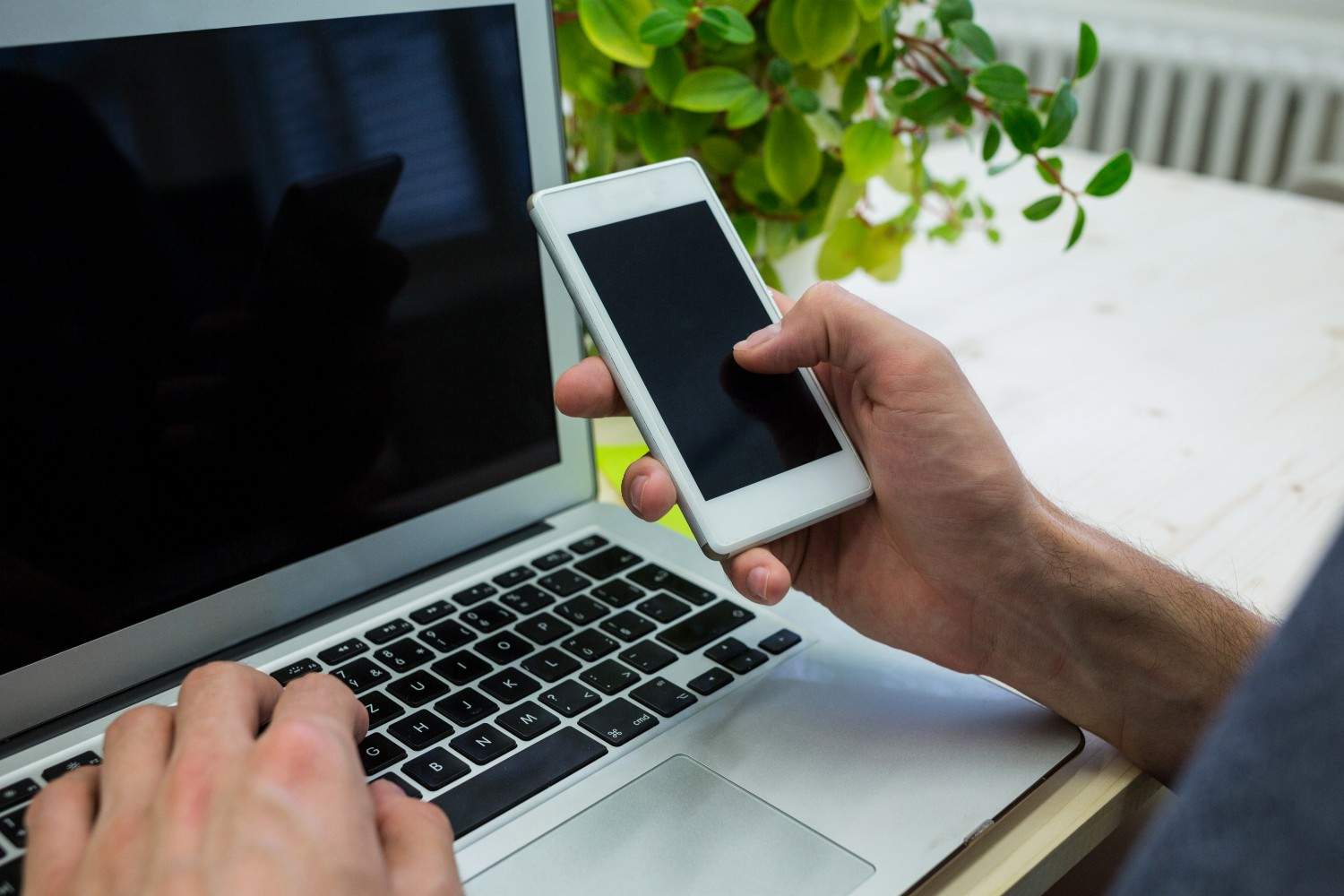
For years, the traditional computer—whether a bulky desktop or a portable laptop—was the undisputed centerpiece of our digital lives. But a quiet revolution has been unfolding in our pockets. Smartphones are replacing traditional computers for an ever-growing list of tasks, reshaping how we work, connect, and create.
Table of Contents
This isn’t about a single groundbreaking feature, but a steady, powerful convergence of capabilities. Modern smartphones pack astonishing processing power, professional-grade cameras, and connectivity that rivals many laptops. For millions, the question is no longer “when will I get to my computer?” but “do I even need to?”
Let’s explore the key areas where smartphones are replacing traditional computers and how this shift is changing the digital landscape.
1. Communication and Social Hub
The most obvious win. Smartphones have completely absorbed our communication needs. Email, instant messaging, social media, and video calls are not just accessible but often more intuitive on a phone. The integrated camera, microphone, and notifications create a seamless communication loop that a traditional computer can’t match. The “communication center” is now mobile.
2. Work and Productivity on the Go
The rise of cloud services (Google Workspace, Microsoft 365, Dropbox) has been the great equalizer. You can now draft documents, edit spreadsheets, create presentations, and manage projects directly from your phone. With Bluetooth keyboards, larger screens, and desktop-like modes (like Samsung DeX or Apple’s Continuity), smartphones are replacing traditional computers as the primary work device for roles in sales, management, and field services.
Also Read:
| Select Major Elections Around the World: What to Watch This Year | Major Elections Around the World: What to Watch This Year — |
|---|
3. Content Consumption: The Primary Screen
From streaming Netflix and YouTube to browsing news and podcasts, the smartphone is the king of content consumption. Its portability and always-on nature make it the perfect device for media. The experience is personalized, instant, and integrated—why sit at a desk when you can watch anywhere?
4. Mobile-First Entertainment and Gaming
Gaming is a massive driver. Mobile gaming revenue has long surpassed that of PC and console markets. Titles like Genshin Impact showcase graphics and gameplay once exclusive to high-end PCs. For casual and many core gamers, the powerful GPU in their phone is all they need, proving that smartphones are replacing traditional computers in the entertainment arena.
5. The Democratization of Content Creation
This is a game-changer. With advanced multi-lens cameras, 4K video, and powerful editing apps like Lightroom Mobile and LumaFusion, creators can shoot, edit, and publish professional-looking content entirely on a smartphone. The barrier to entry for photography, videography, and even music production has collapsed. For many vloggers and social media creators, the phone is their entire studio.
6. Finance and Commerce: Your Wallet is Digital
Mobile banking, contactless payments (Apple Pay, Google Wallet), stock trading apps, and cryptocurrency wallets have made the smartphone the central node for personal finance. The security of biometrics (fingerprint, face ID) often makes it feel safer than a computer browser. The act of managing money has become a mobile-first experience.
7. Smart Home and IoT Command Center
Your traditional computer doesn’t control your lights, thermostat, or security cameras. Your smartphone does. It has become the universal remote for our digital lives, managing a network of connected devices. This central role as a command hub is a function PCs never truly captured.
8. Learning and Information Access
Need to learn how to fix something? There’s a YouTube tutorial. Want to learn a language? Apps like Duolingo are in your pocket. The smartphone provides immediate, on-demand access to the world’s knowledge. This constant access to information and micro-learning opportunities shows how smartphones are replacing traditional computers as our primary portal to knowledge.
The Trade-Offs and The Future
Of course, this shift isn’t absolute. Traditional computers still excel at intensive tasks like high-end video editing, complex data analysis, and hardcore gaming. The larger screen, physical keyboard, and precise mouse are still superior for long-form writing and detailed multitasking.
However, the trend is clear. The gap is closing rapidly. With cloud computing handling heavy processing and accessories bridging the input gap, the smartphone’s role will only expand.
The future likely isn’t the elimination of the traditional computer, but its evolution into a specialized device or a complementary screen powered by your phone’s brain. We’re moving toward a “phone-centric” computing model where your smartphone is your personal computer, and other screens are just interfaces.
Conclusion
The evidence is all around us. For everyday tasks, creativity, communication, and commerce, the convenience, power, and connectivity of the smartphone are irresistible. Smartphones are replacing traditional computers as the go-to device for modern digital life not because they are more powerful in raw terms, but because they are more accessible, personal, and integrated into the fabric of our daily routines.
The computer hasn’t disappeared—it has been miniaturized, connected, and put in our pocket. And for most people, that’s exactly where they need it to be.